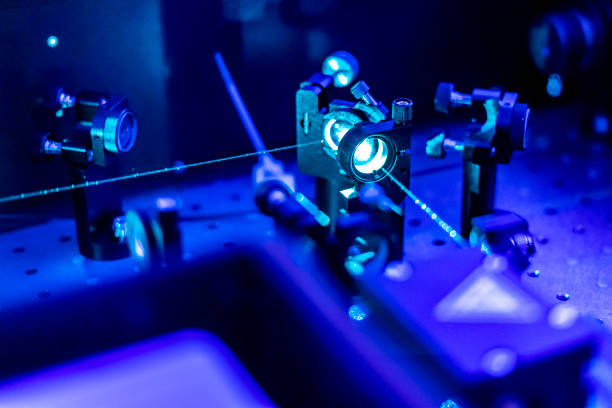
Photonics
We design and characterize photonic platforms for quantum information: single-photon sources, quantum memories, and integrated photonics that scale optical quantum technologies toward practical on-chip devices.
We study quantum information science across photonics, light–matter physics, and quantum-enhanced machine learning—from fundamentals to practical systems.
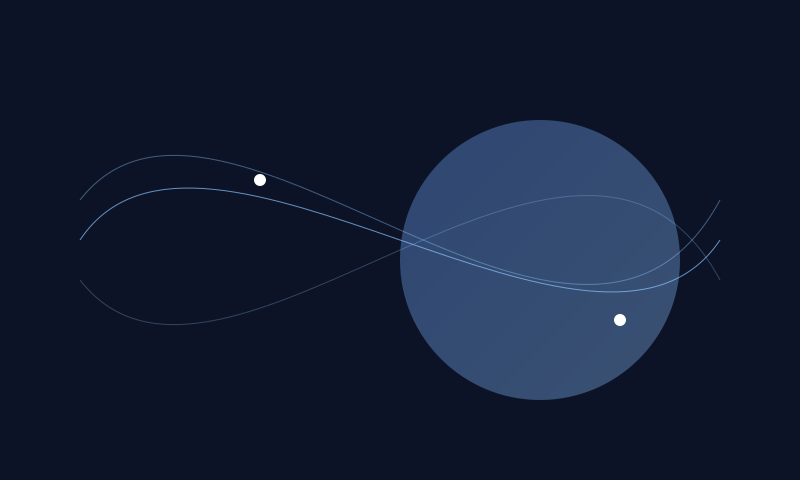
We design and characterize photonic platforms for quantum information: single-photon sources, quantum memories, and integrated photonics that scale optical quantum technologies toward practical on-chip devices.
We build photonic circuits for state preparation, linear optics transformations, and measurement—targeting fault-tolerant building blocks, active feedforward, and scalable chip-level architectures.
We develop resource-efficient feature maps, kernels, and hybrid models that integrate quantum circuits with classical pipelines. Current efforts include quantum kernels with reduced qubit counts, quantum reservoir computing for temporal tasks, and benchmarking under realistic noise models.
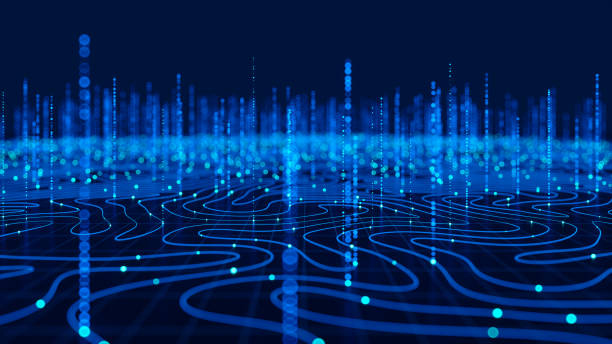
Our work on entanglement distribution and repeater architectures targets long-distance quantum links. We study protocols, interfaces, and memory-assisted schemes that enable future quantum internet services.
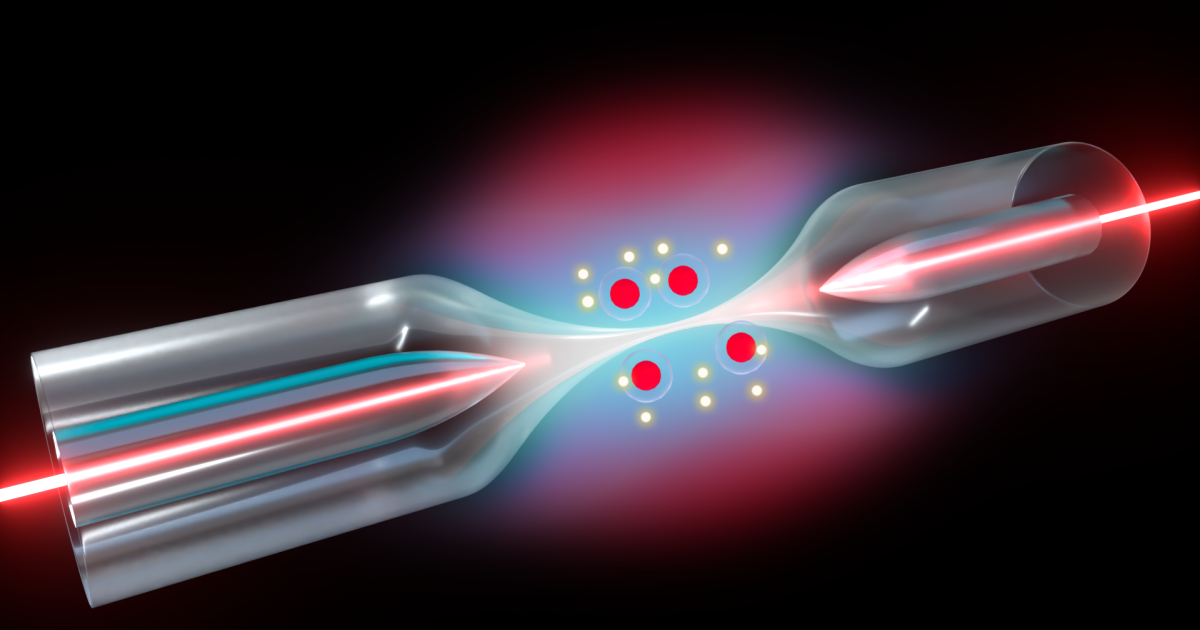
We explore coherent interfaces between photons and atomic/solid-state systems to store, convert, and process quantum states. Tailored coupling, spectral engineering, and noise-aware models underpin robust quantum memories and transducers.
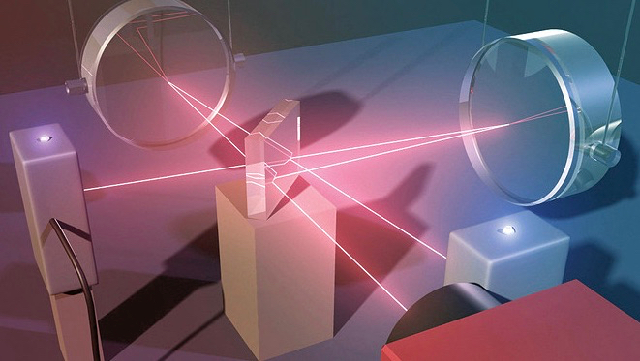
Using χ(2)/χ(3) media and engineered waveguides, we generate non-classical light and enable interactions at the few-photon level. We study photon-pair sources, squeezing, and non-linear gates relevant to photonic quantum computing.
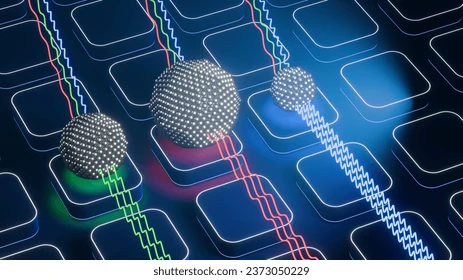
We design analog and digital photonic simulators for quantum dynamics and optimization. Emphasis is on noise-aware resource counts, expressivity, and mappings that make near-term simulations scientifically meaningful.
From QKD to entanglement-assisted networks, we investigate protocols, error models, and hardware links (fiber/free-space) to deliver secure and high-rate quantum channels compatible with existing infrastructure.

We use femtosecond control to sculpt quantum states in time–frequency modes, enabling high-dimensional encodings, rapid state manipulation, and precise characterization of ultrafast quantum processes.